
 BACK
BACK
Category
Helpful Links
- Home > Latest News > Protecting Children from Grooming and Sexual Abuse: 7 Protective Steps Parents Can Take
There is no ‘silver bullet’ when it comes to preventing child sexual abuse – child protection is a joint effort from all the people and organisations in a child’s life. There are, however, proactive steps parents can take to help reduce their child’s vulnerability to grooming and sexual abuse. Learn 7 protective steps parents can take below.
1. Get informed
Learn as much as you can about the signs of sexual grooming and abuse. The more you understand the issue, the better placed you will be to spot any warning signs, red flags or suspicious behaviour. Understanding how sexual predators select their victims and manipulate those around them helps us better understand how we can build layers of protection around our children.
2. Know how to respond
Learn what to do if your child (or a child you know) discloses abuse or grooming behaviours to you. Children who are believed and have parents and caregivers who take immediate protective actions are known to experience less short- and long-term trauma effects. It is also important to know where and how to report child abuse or suspected abuse.
3. Connect with your child/ren
It has long been known that sex offenders seek out vulnerable children who have poor parental relationships, are socially isolated, and have emotional insecurities. Talking with your children and keeping open, non-judgmental lines of communication is one of the most powerful ways parents can protect their children from grooming and sexual abuse.
4. Teach your child/ren personal safety skills
Personal safety education (also known as protective behaviours education) helps build children’s confidence and resilience, and helps keep them safe. Whilst the onus of protection should always be on the adults in a child’s life, the reality is that parents and caregivers cannot supervise their children 24/7. Empowering children with personal safety knowledge can reduce their vulnerability to grooming and abuse when we can’t be there.
Personal safety education includes things such as body ownership, consent, identifying safe and unsafe feelings, and safety networks. Personal safety can be taught to children as young as pre-school age and should be an ongoing conversation between children and primary caregivers rather than a one-off.
Whilst many schools now incorporate elements of personal safety education into the curriculum, these lessons alone are not always sufficient. Personal safety education needs to be consistent and repetitive, so it becomes part of a child’s understanding of themselves and the world around them.
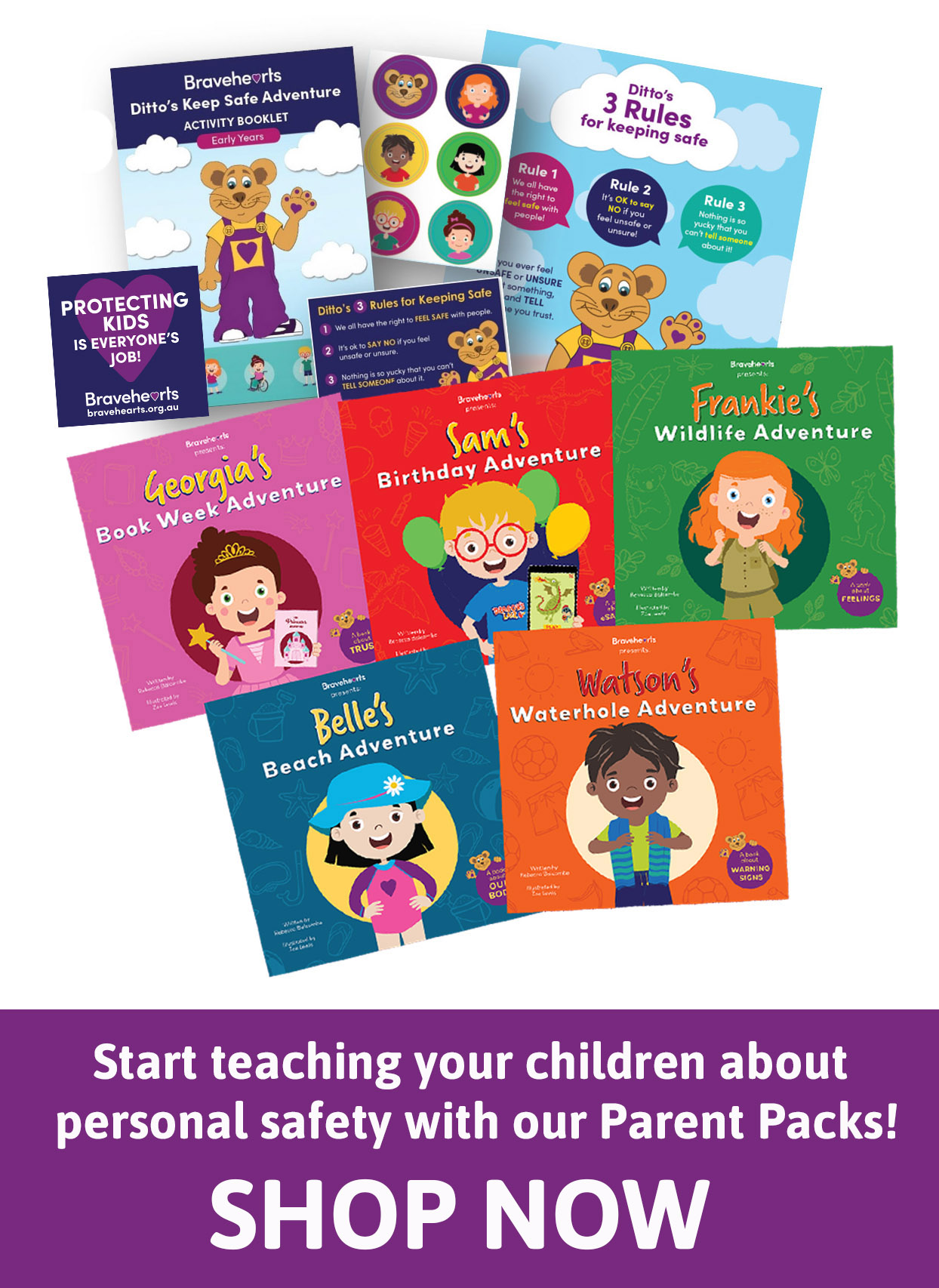
There are many excellent resources available to help get you started with teaching your child personal safety. Bravehearts’ Parent and Carer’s Guide includes tips and activities and can be downloaded free from the Bravehearts website. See also our list of recommended story books about personal safety for young children and our online shop, where you can purchase personal safety resources.
5. Ask questions about child protection safeguards
Ask your child’s school or early learning centre questions about their child protection safeguards. What policies and procedures do they have in place to keep the children in their care safe? Organisations working with children should at the very least adhere to the National Principles for Child Safe Organisations or State or Territory child-safe standards.
Bravehearts has a list of 5 key questions you have the right to ask of any service, organisation or institution where your child spends time. Use this as a guide to ensure your child is being kept safe whilst not in your care.
6. Trust your gut
In Bravehearts’ personal safety program, Ditto’s Keep Safe Adventure, we teach young children to ‘listen’ to their feelings and the ‘warning signs’ their body gives when something or someone doesn’t feel safe, and that it’s ‘ok to say “no” if something doesn’t feel right’. Parents and caregivers should understand this too!
When it comes to your child’s safety, always go with your ‘gut feeling’. If someone in your child’s life or a situation doesn’t ‘feel’ right or seems ‘off’ to you, trust your protective instincts. This may mean you express your concerns to that person, speak to a supervisor or manager, seek advice from a child protection agency, such as Bravehearts, or speak with law enforcement.
This also goes for when something feels ‘off’ about your child (or even a child you know). If they are behaving out of character or showing potential signs of abuse, trust your instincts and explore potential reasons behind their behaviour.
7. Be vigilant
We can’t spend our lives suspicious of every single person in our child’s life, but we can be vigilant. We are vigilant when it comes to road safety, ensuring we teach our children how to cross safely, and we hold their hands crossing the road when they are small. Being vigilant with their personal safety is simply an extension of this protective behaviour.
Look closely at those who spend time with your child, particularly those who spend time alone with them. Do not be afraid to question any behaviours that could be considered ‘red flags’ for grooming or abuse.
Remember that in up to 90% of child sexual abuse cases, the offender is known to the child and family, so do not presume that any potential threats will only come from the outside.