
 BACK
BACK


Across cultures and generations, people have turned to the natural world for comfort, grounding, and restoration.
In celebration of World Environment Day, let’s reflect on how connecting with nature can play a meaningful role in supporting emotional recovery after trauma, for adults and children alike.
Nature Can Help Us Feel Safe
Trauma can change the way our nervous system responds to the world. Survivors of abuse often experience heightened alertness, anxiety, or a constant feeling of being ‘on edge’. Safe environments are essential for the nervous system to begin settling again.
Natural environments can provide that sense of safety. The gentle sounds of wind in the trees, the steady rhythm of waves, or the quiet presence of a park can create a calming sensory experience that helps the body move out of a stress response.
Unlike busy indoor environments or crowded spaces, nature rarely demands anything from us. There are no expectations to perform, explain, or even speak. Simply being present is enough.
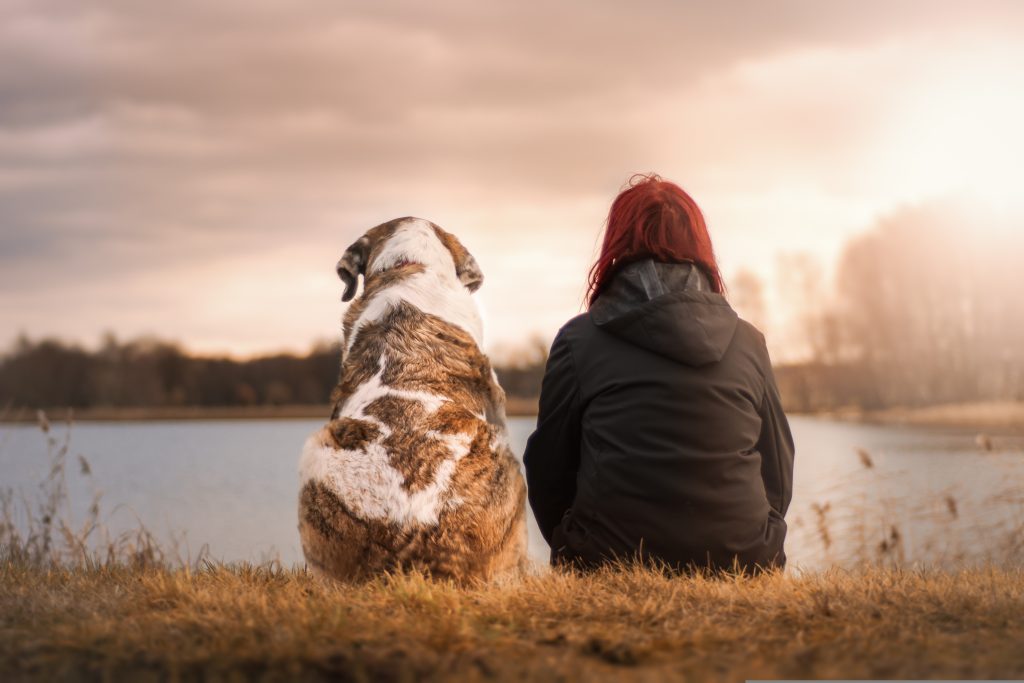
Nature Encourages Grounding
Grounding is a technique often used in trauma recovery to help people reconnect with the present moment when memories or emotions feel overwhelming.
Nature offers endless grounding opportunities:
- Feeling grass or sand under your feet
- Listening to birds or flowing water
- Watching clouds move across the sky
- Noticing the scent of rain or eucalyptus trees
- Feeling sunlight or a cool breeze on your skin
These sensory experiences can gently draw attention away from distressing thoughts and back into the present moment.
RELATED: What is Grounding and How Can it Help Survivors of Abuse?
Movement Without Pressure
Many people find that trauma can make structured exercise feel intimidating or exhausting. Nature offers a different kind of movement – one that is flexible, gentle, and adaptable.
A slow walk along the beach, stretching in a garden, or wandering through a bush track allows the body to move in ways that feel natural rather than forced. Even short periods of movement outdoors can help release built-up stress hormones and improve mood.
Importantly, there is no ‘right’ way to do it. Sitting quietly under a tree can be just as restorative as a long hike.
A Sense of Perspective
Trauma can make the world feel small and confined. Thoughts can loop repeatedly, and it can become difficult to see beyond immediate pain or fear.
Nature often offers a quiet reminder of a larger world. Watching the tide come in and out, noticing the changing seasons, or observing wildlife going about its day can bring a sense of perspective and continuity.
Many survivors describe moments in nature where they feel, even briefly, a sense of calm or connection that had been hard to access elsewhere.
Rebuilding a Relationship With the Body
Trauma can create a disconnect between mind and body. Survivors may feel numb, tense, or uncomfortable in their own physical sensations.
Spending time in nature can gently rebuild that connection. The body begins to notice simple sensations again, such as the warmth of sunlight, the sound of leaves crunching underfoot, and the rhythm of breathing during a walk.
These small sensory experiences can help restore a sense of embodiment and presence.
Small Ways to Start
Connecting with nature doesn’t require a wilderness adventure or hours of free time. Small moments can still be meaningful.
You might try:
- Sitting outside with a cup of tea in the morning
- Visiting a local park during lunch
- Walking along a river, beach, or bush trail
- Tending to a garden
- Watching the sunrise or sunset
- Listening to nature sounds if leaving home feels difficult
For some survivors, it can also feel helpful to go with a trusted friend or support person.
Healing Happens at Your Own Pace
Nature is not a replacement for professional support, and trauma recovery looks different for everyone. But for many people, time spent in nature becomes a gentle companion to other forms of healing.
Nature moves slowly. It doesn’t rush growth, and it doesn’t expect instant change. In many ways, that rhythm mirrors the process of recovery itself.
For survivors, simply stepping outside, taking a breath, and noticing the world around them can be a small but meaningful step toward healing.
If you need support or information related to child sexual abuse, please contact Bravehearts’ toll-free Information and Support Line on 1800 272 831 (Monday to Friday, 8:30am – 4:30pm AEST).