
 BACK
BACK
OPINION
By Kaitlyn Farquhar – Social Justice Advocate & member of Bravehearts Youth Advisory Council
Born in 2003, I am part of the first generation of ‘digital natives.’ I can remember as a young child, the joy of knowing that the same computer my Dad used to make boring Excel spreadsheets, I could play hundreds of different games like Moshi Monsters, Club Penguin, and my favourite, Poptropica. A digital world so expansive that I couldn’t, and still can’t, fathom the gravity of accessibility that I had to not only games, but ideas and people.
Back then, despite my parents’ understanding the potential harm of this digital environment, the extent of the harm it would cause my generation was unforeseen.
I remember distinctly the first time I was exposed to harmful sexual content online. It happened on a school computer in the library when I was 13.
I was on YouTube searching up videos for an Ancient Egyptian assignment when a video popped up talking about a ‘creepypasta’ character showing up on this website called ‘Omegle’, a social media app that linked you with callers from across the world based on similar interests. At the time, it was unregulated, with virtually no safeguards aside from users reporting violations.
Through this app, my friends and I found ourselves on calls with men double my Dad’s age, naked and masturbating to the prospect of meeting young minors. Whilst we immediately shut the browser and never went on it again, it was far more horrifying than any creepypasta monster could ever be! It marked the beginning of my awareness that the digital world harboured both excitement and danger.
Back then, the dangers seemed manageable, like unexpected encounters or misleading links. But today, as I transition into early adulthood, those dangers have evolved into something far more insidious, driven by the rise of artificial intelligence.
AI-generated sexual imagery presents an alarming threat to children and young people. It’s not just about fake images; it’s about how these images can redefine safety and trust in the digital realm.
The technological impact is substantial. It takes, at best, three clicks to produce or alter any photo or video from text prompts or small samples, using content from anywhere in the world. Not only is it fake, but it is highly realistic, with the ability to artificially craft images with unprecedented detail, including tattoos and birthmarks.
Where previous image-based sexual abuse typically involved edited or leaked intimate photos, now abusers can just fabricate sexualised images from scratch or convincingly swap faces into sexual content. It perpetuates a culture of exploitation, where children’s images can be manipulated without consent, creating a pervasive sense of vulnerability.
The anxiety, fear, and violation that accompany the spread of such images are devastating, affecting how children perceive themselves and the world around them. Furthermore, the permanence of digital content means that once these images are out there, reclaiming their innocence becomes a ‘herculean’ task.
Legally, we’re navigating uncharted waters. The laws have yet to fully catch up with these advancements, leaving many feeling vulnerable and unsupported. This gap between rapid technological advancement and slow legislative processes leaves children exposed, highlighting an urgent need for change.
As young adults who have grown up alongside these technologies, we’ve witnessed both the wonders and the dangers of the digital age. The very platforms meant to connect us can now betray us, turning digital footprints into weapons against the innocent. It’s a heavy burden, one that previous generations didn’t face in quite the same way.
It is why I am so incredibly passionate about organisations like Bravehearts, which are crucial in this fight. They understand the nuances of navigating the digital age and advocate for children and their rights. They’re pushing for legal reforms and offering support, but the journey is far from over. They provide a lifeline to those within this struggle. It gives me hope that there are people, organisations and communities dedicated to creating safer digital spaces.
Reflecting on growing up in the digital age, I feel a mix of fear and determination. Fear, because the threats are real and growing. Determination, because I believe in our collective ability to address these challenges. As digital natives, Gen Z and Gen Alpha have a unique perspective and voice.
We understand the promise and peril of technology intimately, and it’s imperative that we use this understanding to advocate, and at times fight, for change. The digital world was supposed to be a place of limitless possibilities; however, it’s important to note that limitlessness needs regulation.
It’s up to us to ensure the online space remains a place where children and young people can thrive safely, without the shadow of exploitation hanging over them. In all, our stories, experiences, and voices matter more than ever in shaping a future where technology enhances life rather than diminishes it.
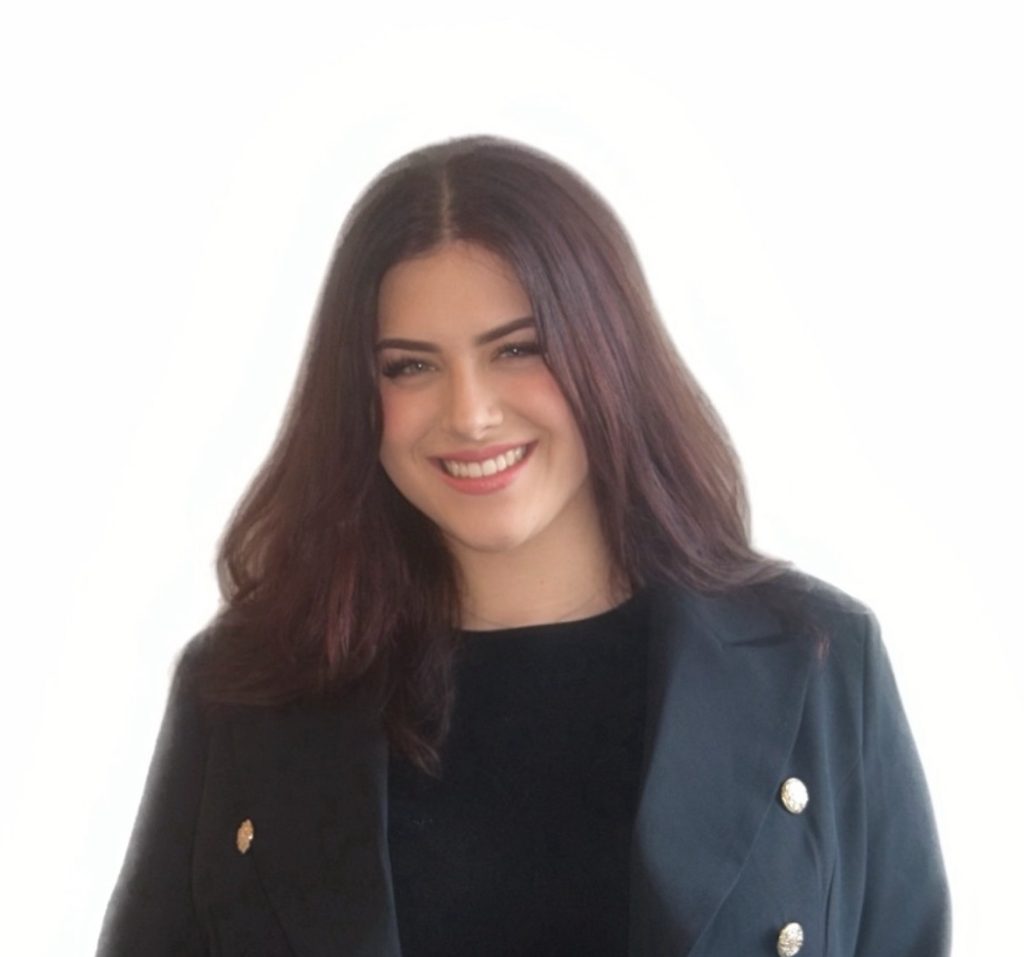
About the Author
Kaitlyn is a 23-year-old social justice advocate focused on community engagement and creating safe spaces for individuals and communities, particularly for those who are vulnerable.
Her experience spans both government and non-government sectors. She has contributed to legislative research with the NSW Parliament and supported community initiatives with the Sydney Alliance, UNAA, GSRT, WDTM? and many more. Through her executive roles at EveryLeader and Youth Decide, she empowers young people by developing programs that enhance leadership skills and civic participation. Her advocacy also extends to tackling domestic violence, and she is currently establishing her own organisation, ‘Between Lives’, to provide vital support to those affected. Additionally, Kaitlyn is a member of Bravehearts’ Youth Advisory Council.
As a self-described ‘digital native’ who has grown up in the age of the internet, she has a firsthand understanding of the unique vulnerabilities children face online. This perspective fuels her passion for preventing child sexual abuse and drives her commitment to the vital mission of organisations like Bravehearts.