
 BACK
BACK

How Art Therapy Helps Children Heal from Complex Trauma
When a child has lived through complex trauma, such as sexual abuse, neglect, or exposure to family violence, their experiences often live beyond words. Trauma can shape how children see themselves, how safe they feel in the world, and how their brains and bodies respond to stress. For many children, talking about what happened is difficult.
This is where art therapy can play a powerful role.
What is complex trauma in children?
Complex trauma refers to repeated, prolonged traumatic experiences, usually occurring in early life and within caregiving relationships. Unlike a single traumatic event, complex trauma affects multiple areas of a child’s development, including:
- Emotional regulation
- Attachment and relationships
- Sense of identity and self-worth
- Brain development and stress responses
- Behaviour and learning
Children with complex trauma may struggle with anxiety, dissociation, aggression, withdrawal, sleep difficulties, or intense emotional reactions. Traditional talk therapy can be challenging when children don’t yet have the language, safety, or cognitive capacity to describe their experiences.
What is art therapy?
Art therapy is a therapeutic approach delivered by trained professionals, such as Bravehearts’ specialist counsellors, who use creative processes such as drawing, painting, sculpture, collage, or play-based art to support emotional healing.
It’s important to note that art therapy is not about creating something ‘good’ or artistic. It’s about expression and connection in a safe therapeutic environment.
For children, art can become a language when words feel unsafe, confusing, or overwhelming.
Why art therapy works for complex trauma
- Trauma lives in the body, not just in words
Complex trauma is often stored in sensory and emotional memory rather than verbal memory. Art therapy allows children to access and express experiences through movement, colour, texture, and symbols, bypassing the need for detailed verbal recall.
This can reduce the risk of re-traumatisation that sometimes occurs when children are pressured to tell their story too early.
- It creates a sense of safety and control
A core feature of complex trauma is a loss of control. In art therapy, children make choices, such as what materials to use, what to create, and when to stop. This restores a sense of agency and autonomy, which is essential for healing.
The predictable, contained nature of art therapy sessions also helps children feel safer over time.
- It supports emotional regulation
Making art can help calm the nervous system. Repetitive movements (like drawing or moulding clay), sensory engagement, and focused attention can reduce hyperarousal and anxiety.
Over time, children learn to notice and manage emotions as they emerge during creative work, helping to build emotional awareness and regulation skills in a gentle, developmentally appropriate way.
- It helps children externalise trauma
Rather than holding distressing experiences inside, children can place them outside themselves through art. A scary feeling might become a colour, a shape, or a character.
This process of externalisation can make overwhelming experiences feel more manageable and less consuming, allowing children to engage with them at a safer distance.
- It supports attachment and trust
Art therapy provides opportunities for safe connection with a consistent, attuned adult who responds without judgement.
The counsellor’s presence, witnessing, validating, and gently guiding, helps rebuild trust and models healthy relational experiences that may have been missing or harmful in the child’s early life.
What art therapy can look like in practice
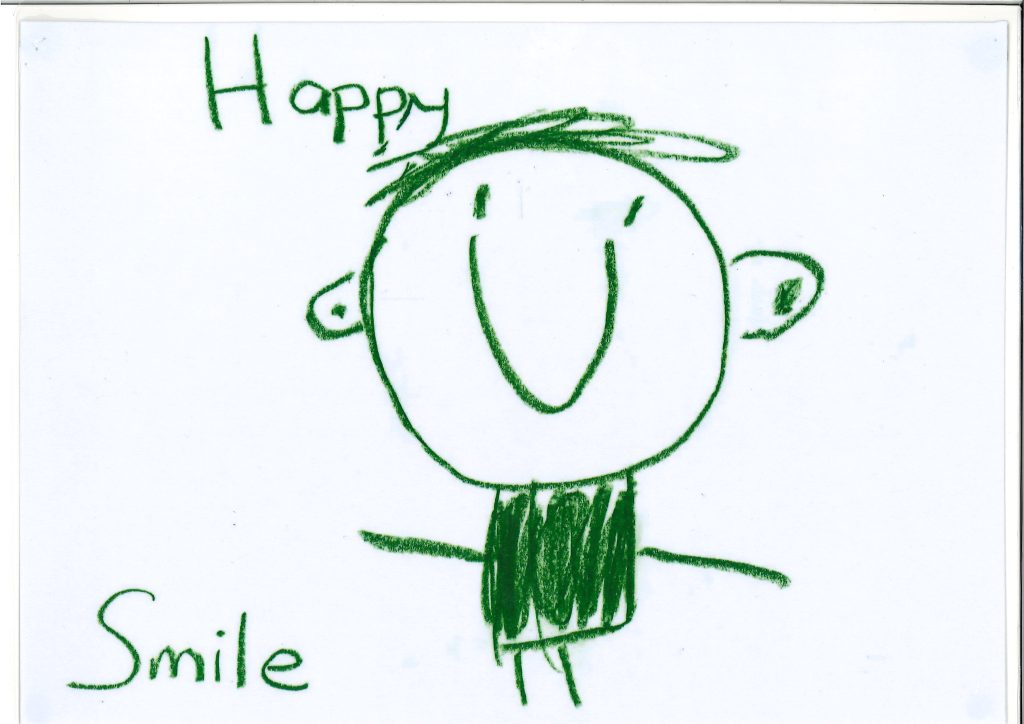
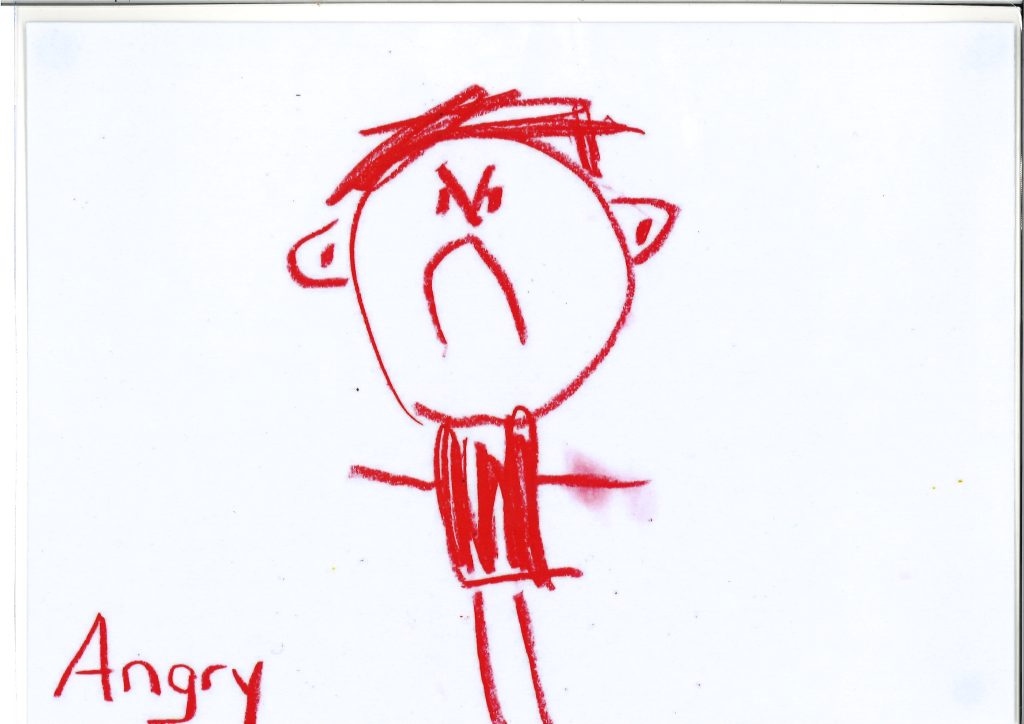
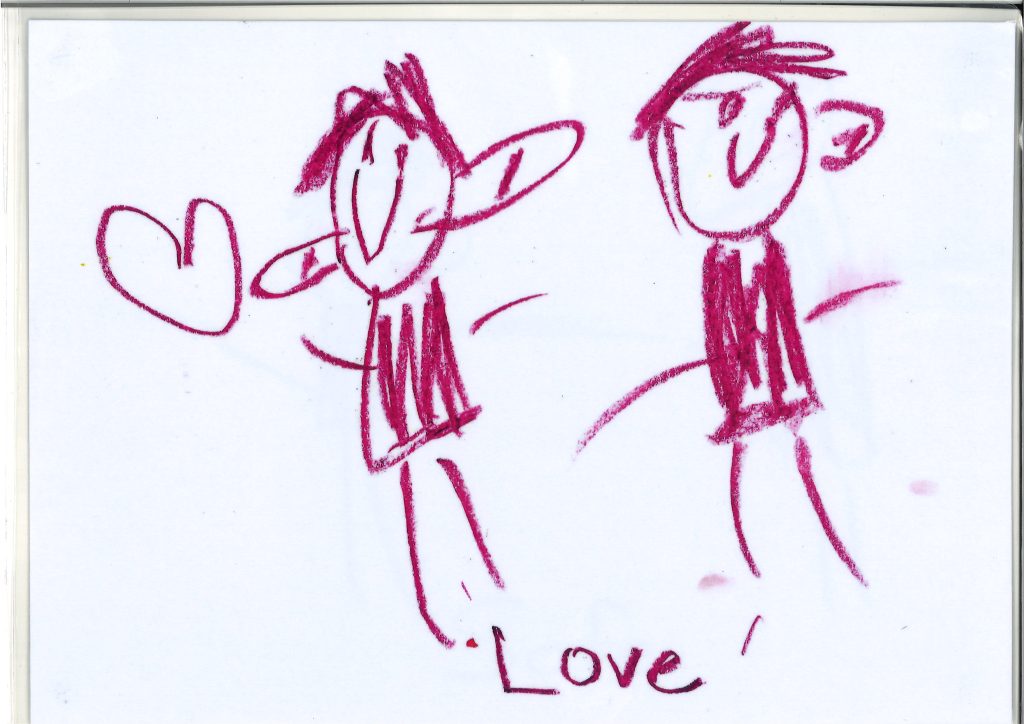
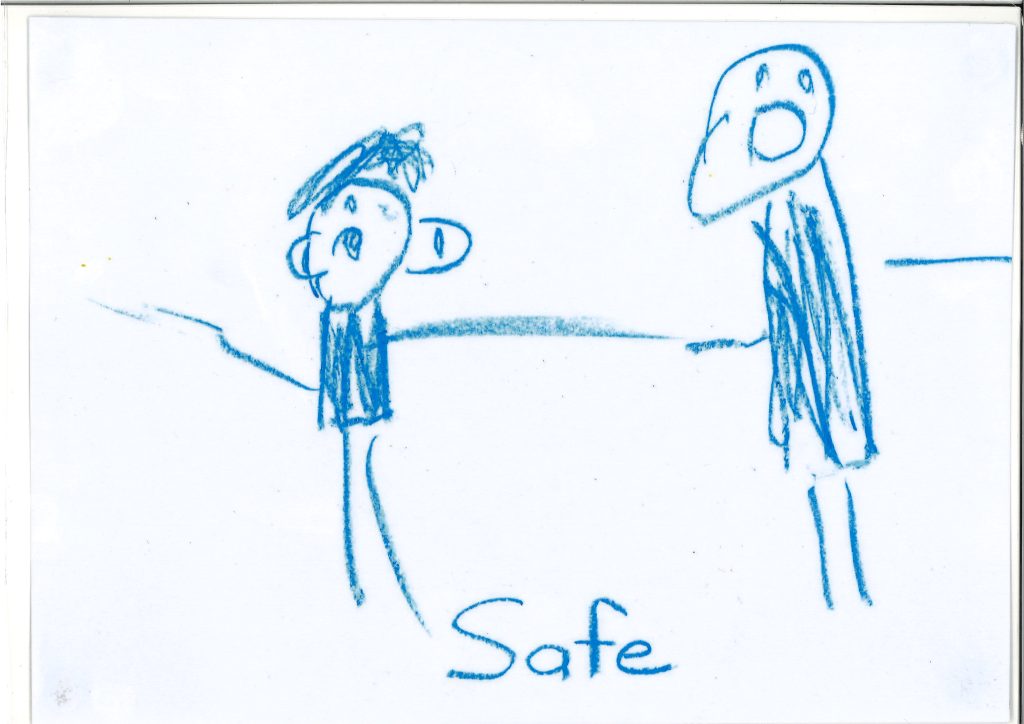
Art therapy is used by many of Bravehearts’ specialist counsellors in sessions with their young clients who have experienced child sexual abuse. The drawings featured in this article are just one example of a child’s drawings from their counselling sessions. The type of art therapy used varies depending on the child’s age, needs, and stage of healing. Sessions might include:
- Free drawing or painting to express feelings
- Creating safe places or protective figures
- Using symbols or metaphors instead of literal storytelling
- Art-based grounding activities during distressing moments
- Gradually exploring themes of identity, strength, and resilience
Importantly, children are never forced to disclose trauma through art. The focus is on safety, expression, and regulation, not disclosure.
A strengths-based approach to healing
Art therapy doesn’t just address trauma. It also highlights a child’s creativity, resilience, and inner resources. Through the creative process, children can begin to see themselves as capable, expressive, and worthy of care.
For children whose voices have been silenced or ignored, art can become a powerful way to be seen and heard.
Complex trauma can leave deep and lasting impacts on children, but healing is possible, especially when support meets children where they are developmentally and emotionally.
Art therapy offers a gentle, flexible, and evidence-informed pathway to healing, allowing children to express what cannot yet be spoken and to rebuild safety, trust, and self-understanding at their own pace.