
 BACK
BACK
Category
Helpful Links
- Home > Latest News > Navigating the Journey After Child Sexual Abuse: Support for Families
Navigating the Journey After Child Sexual Abuse: Support for Families
When a child or young person discloses sexual abuse or when sexual abuse is discovered, the world can feel like it has turned on its axis.
Families often describe the experience as overwhelming, confusing, and frightening. You may be navigating police reports, medical appointments, child protection processes, and your own emotional response, all while trying to support your child or young person.
At organisations like Bravehearts, we see every day that while this journey is deeply challenging, families are not alone, and healing is possible.
This article is a gentle guide for parents and non-offending family members navigating the aftermath of sexual abuse, highlighting practical supports, emotional care, and pathways forward.
Responding to a Disclosure of Sexual Abuse
If your child or young person tells you they have been sexually abused, try to:
- Stay as calm as you can
- Listen without judgment or interrupting
- Believe them
- Thank them for telling you
- Reassure them that it’s not their fault
Children rarely lie about sexual abuse. A calm, supportive response reduces shame and increases their sense of safety.
You do not need to investigate. Your role as a parent is to protect and support – professionals will handle the rest.
Understanding the Emotional Impact on Families
It’s not just the child or young person who experiences trauma from sexual abuse. Parents and caregivers often report:
- Shock or disbelief
- Anger (at the perpetrator, systems, or themselves)
- Guilt (“How didn’t I see this?”)
- Fear about long-term effects
- Grief for the loss of innocence
- Anxiety about legal processes
These reactions are normal. Trauma affects entire family systems. This can be even more heightened when the offender is a family member or someone close to the family.
Supporting your child or young person does not mean suppressing your own feelings. In fact, getting support for yourself is one of the best ways to help your child.
Accessing Professional Support
Specialist Counselling
Children who have experienced sexual abuse benefit most from trauma-informed therapy delivered by trained professionals.
Specialist services (including those provided by Bravehearts) focus on:
- Safety and stabilisation
- Emotional regulation skills
- Processing trauma at the child’s pace
- Rebuilding trust and self-worth
Early support can significantly reduce long-term impacts.
Medical Care
A medical examination may be recommended. While this can feel daunting, child-focused forensic services are designed to prioritise the child’s wellbeing and minimise distress.
Legal and Advocacy Support
Legal processes can feel complex and intimidating. Victim advocacy services can:
- Explain what to expect
- Attend court with you
- Help prepare victim impact statements
- Provide updates throughout proceedings
You do not have to navigate the justice system alone.
Supporting Your Child Day-to-Day
Healing doesn’t only happen in counselling rooms. It happens in kitchens, car rides, and bedtime routines.
Here are practical ways to support your child or young person at home:
Maintain Predictability
Trauma disrupts a child’s sense of safety. Keeping routines consistent (mealtimes, school, bedtime) helps rebuild stability.
Let Them Lead Conversations
Some days they may want to talk. Other days, they may not. Follow their cues. Avoid repeated questioning.
Reinforce Body Safety Messages
Gently remind them:
-
- Their body belongs to them
- They can say no
- They are not responsible for what happened
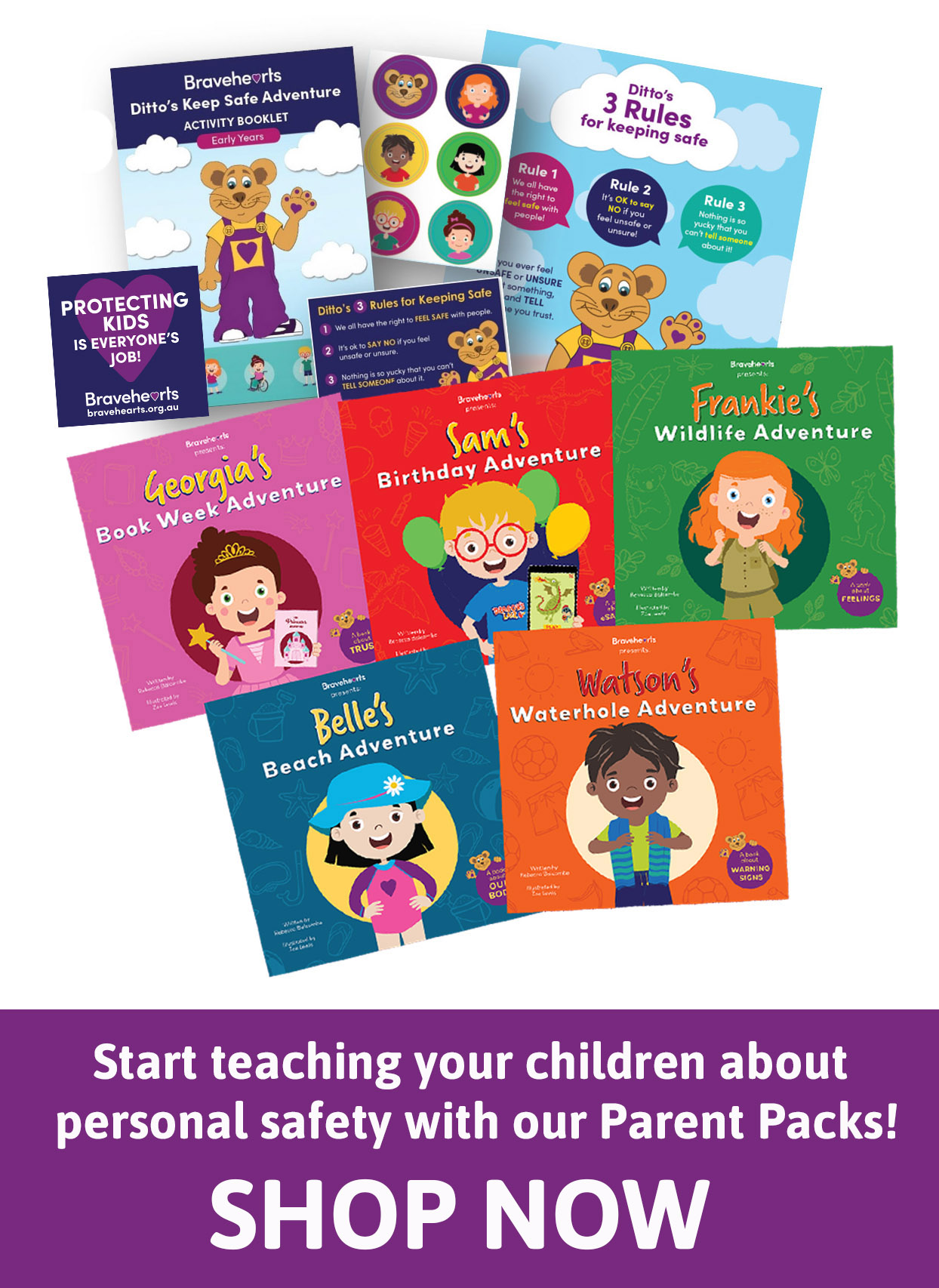
RELATED: Teaching Children Personal Safety
Watch for Behaviour Changes
Regression, sleep disturbances, irritability, or withdrawal are common trauma responses. These are signs of distress, not ‘bad behaviour.’
Celebrate Strength
Surviving abuse and disclosing takes enormous courage. Remind your child of their bravery.
Caring for Yourself as a Parent or Caregiver
You cannot pour from an empty cup.
Consider:
- Individual counselling for yourself
- Parent support groups
- Leaning on trusted friends or family
- Taking breaks when possible
- Limiting exposure to distressing media
Self-care is not selfish. It strengthens your capacity to respond calmly and consistently.
Navigating Systems and Reporting
In Australia, reports of child sexual abuse may involve police and child protection authorities. While processes can feel slow or confronting, they exist to protect children and prevent further harm.
If you are unsure about reporting, Bravehearts can provide guidance about next steps and available services. Please contact our Information and Support Line for guidance.
Remember:
- You are allowed to ask questions.
- You can request updates.
- You can seek advocacy support.
Pathways to Healing
Healing is not linear. There may be setbacks. There may be difficult court dates. There may be unexpected triggers years later.
But there can also be:
- Renewed confidence
- Strengthened family bonds
- Increased resilience
- A deeper understanding of safety and boundaries
Children are remarkably resilient when surrounded by believing, protective adults.
Over time, with the right support, many children go on to thrive, not defined by what happened to them, but strengthened by the care and protection that followed.
A Final Word
If your family is navigating this journey, please know:
- You did not cause this.
- Your child is not broken.
- Help is available.
- Healing is possible.
Reaching out for support is a sign of strength.
If you need guidance or further information about any of the above, connect with specialist child sexual abuse support services in your area or reach out to Bravehearts’ Information and Support Line on 1800 272 832 (Monday to Friday, 8:30am – 4:30pm AEST).
No family should have to walk this path alone.